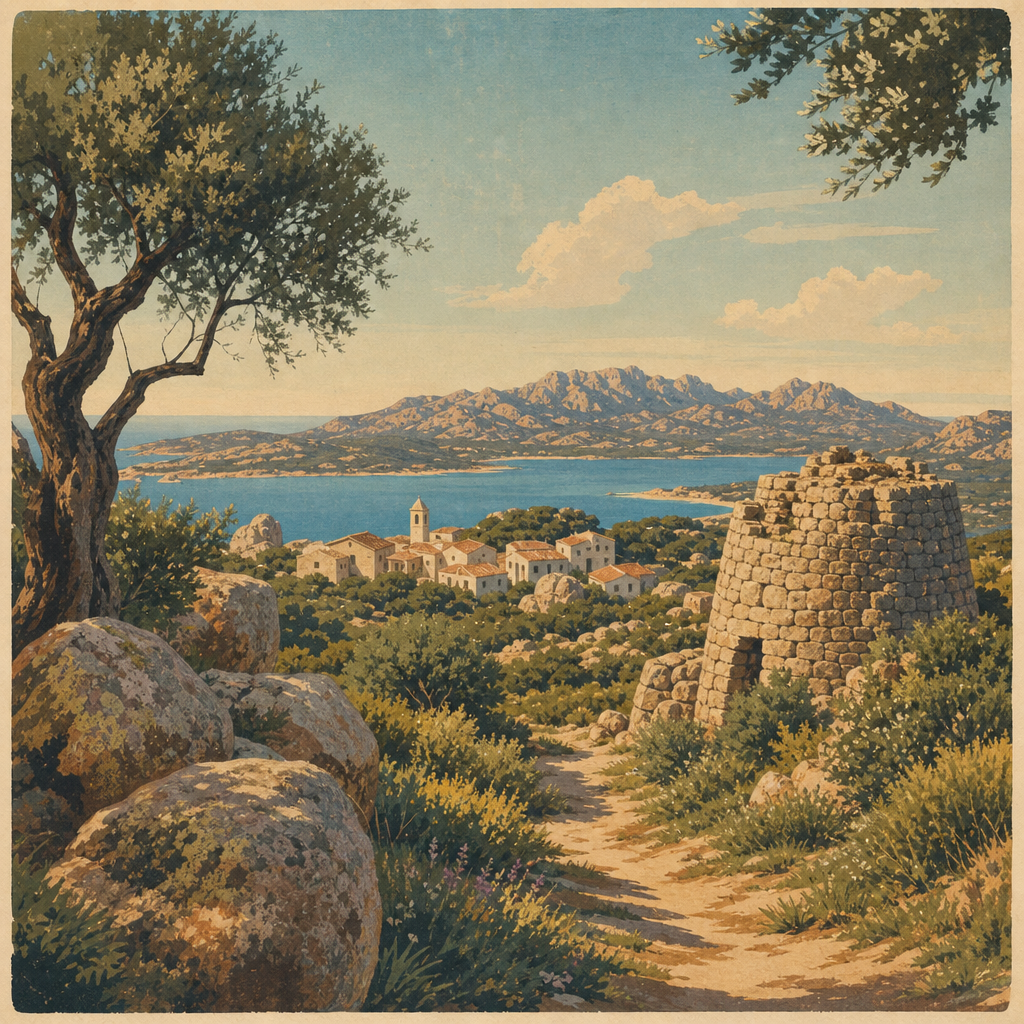
The landscape of Arzachena is the result of the meeting of the sea, granite rocks, and Mediterranean scrub. Moreover, this area of Gallura brings together nature, history, and culture in a unique balance. From the coasts to the hills, every element helps define the visitor’s tourist and cultural experience.
Arzachena in the Context of Gallura
Arzachena is located in northeastern Sardinia. Here, the relationship between the inland areas and the coast has always been fundamental. As a result, agricultural, pastoral, and maritime activities have coexisted for centuries. Archaeological sources confirm a very ancient human presence. However, the territory has maintained a strong continuity with its natural environment.
To learn more about local history and heritage, it is useful to consult the Municipality of Arzachena.
Amid sea, granite, and Mediterranean scrub
Granite formations are one of the most recognizable features of the area. In fact, wind and atmospheric agents have shaped the rocks over thousands of years. At the same time, the Mediterranean scrub enriches the landscape with fragrances, colors, and biodiversity.
The coast offers beaches, bays, and rocky headlands. In addition, just a short distance from the sea, visitors encounter hills, rural areas, and archaeological sites. For this reason, visitors can discover diverse environments within the same itinerary.
In spring and summer, Mediterranean vegetation displays a wide variety of colors. In addition, species such as myrtle, mastic, and strawberry tree help define the character of the area. As a result, contact with nature becomes an integral part of the travel experience.
No less important is the role of light, which changes the appearance of the landscape throughout the day. In the morning, the coasts appear bright and open, while at sunset the granite rocks take on warmer tones. Thus, every season and every moment of the day offer different perspectives on the area.
- Granite formations typical of Gallura.
- Mediterranean scrub and local biodiversity.
- Coastal coves and rocky stretches.
- Rural landscapes of the inland areas.
- Strong connection between nature and human presence.
From prehistoric civilizations to the memory of the land
Arzachena preserves an important archaeological heritage. Among the best-known sites are the Li Muri Necropolis and various traces of the Nuragic civilization. In addition, the giants’ tombs tell a story rooted in Sardinia’s prehistory.
These places hold more than just monumental value. On the contrary, they help keep collective memory alive and strengthen the bond between the community and the land.
At the same time, the natural setting surrounding these sites enhances their appeal. As a result, an archaeological visit often becomes a journey that combines culture with landscape observation.
Traditions and Gallurese Culture
Alongside its natural landscapes, Arzachena preserves traditions deeply connected to Gallura. The stazzi, for example, are a central element of local rural history. In addition, language, cuisine, and popular festivals continue to strengthen the cultural identity of the area.
Even today, many customs maintain a strong connection with the surrounding environment. In fact, traditional activities have helped shape the relationship between local communities and the territory over time.
On the other hand, local culture is not separate from nature. On the contrary, numerous traditions arose precisely from observing the land and making sustainable use of its resources. Therefore, landscape and cultural identity continue to influence each other.
The Landscape as a Tourist and Cultural Asset
The growth of tourism has increased Arzachena’s international visibility. However, the value of the area is not limited to its most famous destinations. In fact, the combination of sea, hills, archaeology, and local culture makes the experience particularly rich.
Today, protecting the landscape is a priority. On the one hand, it promotes sustainable development. On the other, it preserves a natural and cultural heritage that defines the identity of Gallura.
Moreover, enhancing environmental resources encourages forms of tourism that are mindful of preserving the land. In this way, visitors and local communities can benefit from a more lasting balance between enjoyment and protection.
Similarly, nature trails and outdoor activities allow visitors to gain a more thoughtful understanding of the area. As a result, the tourist experience also takes on an educational dimension, one that can enhance the local heritage without distorting it.
Arzachena between continuity and change
Arzachena brings past and present together in a harmonious way. The granite rocks, Mediterranean scrub, archaeological sites, and local traditions tell a shared story. Ultimately, it is precisely this continuity that makes the landscape the heart of the area’s tourist and cultural experience.